
Carbon Neutral Islands
PREPARING FOR NET ZERO
Raasay Carbon Neutral Islands Project
The Carbon Neutral Islands Project
In May 2022, the Cabinet Secretary for Rural Affairs and Islands announced the six Scottish islands to be supported by the Carbon Neutral Islands (CNI) project: Hoy, Islay, Great Cumbrae, Raasay, Barra and Yell. The CNI project includes one island from each of the local authority areas with responsibility for islands in Scotland.
More widely, the CNI project will help to deliver key commitments in the National Islands Plan (2019) and the National Performance Framework (2007), create island-based jobs, and support islands to adapt to the negative effects of climate change. It aims to align with wider net-zero and decarbonisation efforts and will contribute to the Scottish Government’s statutory target to reach net zero by 2045.
Whilst the overarching theme of the project is climate resilience, it also aims to improve quality of life, create employment, and improve the sustainability of the community, all while delivering community-led climate action. All Scottish islands will benefit through the sharing of good practice from the project’s implementation. The six islands will act as catalysts for net zero action across Scotland, making them lighthouse communities.
Carbon Neutral Raasay
In the first phase of activities, wide-ranging baseline carbon audits identified the main carbon sources and sinks on Raasay, with the aim of stimulating discussion and engagement with the local community. These discussions helped to shape the community’s priorities for lowering emissions and improving resilience on the island.
Those priorities fed into the Community Climate Action Plan, which combines the findings of the audits with the projects prioritised by the community. The plan is a living document that provides climate solutions owned by the community, and its projects are now moving into delivery. These include:
- Affordable housing at Inverarish
- Habitat restoration and invasive species clearance
- An energy retrofit of Raasay House
- A community venison processing plant
- A collective retrofit of island homes
- A feasibility study for a local energy market
- A marine biodiversity and blue carbon study
Tom and Macarena act as the link between the community, the Scottish Government and Community Energy Scotland, who are the key delivery partners.
Keep up to date with the Raasay Carbon Neutral Islands project on Facebook
or
Inverarish Houses
The project is complete. The houses have been allocated and the tenants are settling in. An official opening is planned for the end of November, with the Scottish Government, the Scottish Futures Trust and the other funders
and partners.
Habitat Restoration (Phase 2)
The next phase is now under way. We’ve advertised the invasive species work on Public Contracts Scotland and locally, in a way that lets several local contractors take part. We’ve helped interested contractors with their
questions and allowed several ways to apply. Applications closed on 30 October, with contractors due to be appointed the following week. We also presented live demonstrations at an invasive species workshop in Rùm and Strathcarron.
Raasay House Energy Retrofit
The adviser tender closed on 23 October with two strong applications, and we expect to appoint someone shortly. Their report is due in December. The kitchen air handling assessment is done and we’re waiting for the final
report. We’ve also arranged to speak to an expert from Millport on Cumbrae who has worked on buildings similar to Raasay House, to help with heritage constraints.
Community Venison Processing Plant
The Council has confirmed in writing that the earlier assessment was on the wrong building. The correct building falls under small business rates, which means the project is financially viable. We’re now working on making
sure the contractor can start once the contract is awarded.
Collective Housing Retrofit
Interest in a joint retrofit of island homes keeps growing. Next, we’ll finalise the list of interested households and cost the project for the next financial year.
Energy Local Club (feasibility)
We met Energy Local, who will model how much local generation Raasay would need to run a club. We’ve kept up the survey through street conversations, home visits and help in the office. Response numbers are still lower than
we’d like, and the results will help show whether a club is viable.
Marine Biodiversity and Blue Carbon Study
We carried out a baseline survey on 22 October with the visiting Tennessee Tech University researcher. It tested a combined method for finding seagrass, using satellite images, drone images and checks on the ground. There
is very little marine data for Raasay, so this is a useful start. With winter coming, we’ll use the months ahead to plan fieldwork for spring and summer.
Research collaboration
Samples were taken to measure how carbon moves through Raasay’s waterways. The first version of the Raasay story map is now live, and the habitat restoration monitoring framework is still being developed.
In the community
We gave live demonstrations and presentations at the Rùm and Strathcarron invasive species workshop, sharing what we’ve learned from habitat restoration with land managers. We also kept talking with residents about the energy
survey and about the marine habitats around Raasay, and shared written updates on progress.
Inverarish Houses
The three Inverarish houses were nearly finished. The insides were about 99% complete, and the last electrical work and decorating were due to wrap up by 9 October. Some outside work was still to do, with the same target
date.
Habitat Restoration (Phase 1)
This round of invasive species clearance is finished. Heavy rain and difficult ground slowed things down at times, but the work was completed. We’re now gathering feedback from the contractors and pulling the project data
together. We’re also getting the next phase ready so there’s as little gap as possible, with the next site lined up.
Raasay House Energy Retrofit
We advertised for an adviser to look at how to cut energy use at Raasay House, including whether a ground source heat pump is the right choice. Bidders could send questions while the notice was open. An assessment of the
kitchen’s air handling was booked for 5 October, paid for by Raasay House Community Company. Its findings could reduce the building’s heat demand either way.
Community Venison Processing Plant
We found that the Council’s earlier business rates assessment had been done on the wrong building. We’ve raised this with the Council and are waiting for a corrected assessment. We’ve kept talking with the crofters throughout.
Energy Local Club (feasibility)
We’re looking at whether Raasay could have its own local energy market, where islanders share locally generated renewable power. We’ve started going door to door and helping people complete the survey in person. Raasay has
the most replies of any participating island so far, 15 of 23 in total.
Marine Biodiversity and Blue Carbon Study
Preparation is under way for the first marine survey, due in the week of 19 October. A researcher from Tennessee Tech University will lead it with our Community Development Officers. It will use drone mapping and checks on
the ground, so no boat hire is needed. We’re also mapping habitats by talking to local fishermen and knowledge keepers.
Research collaboration
The researcher is now based at the University of St Andrews for a few months. Besides the marine work, the collaboration will look at how carbon moves through Raasay’s waterways, build a way to monitor habitat restoration,
and launch a Raasay story map.
In the community
We held a community evening at the hall (16 people came) and a Raasay Roundtable for the island’s community groups (12 people). We also began a series of Facebook posts explaining the habitat restoration work, and wrote about
it for Reforesting Scotland.
piciatis unde omnis iste natus error sit voluptatem accusantium doloremque laudantium, totam rem aperiam, eaque ipsa quae ab illo inventore veritatis et quasi architecto beatae vitae dicta sunt explicabo. Nemo enim ipsam voluptatem quia voluptas sit aspernatur aut odit.
AUDITS & REPORTS
- Land Use, Waste and Wastewater Carbon Audit

- Energy and Transport Carbon Audit

- Community Carbon Action Plan

- Residents Survey 2023


MEET THE TEAM

Tom Lusink
I grew up in rural Co. Down, Northern Ireland, and have been living on Raasay for the last few years. I was originally brought here by an opportunity to work at the island’s whisky distillery. Working on the CNI project is a dream job for me. Giving my energy to my local community and helping the environment ticks so many of my boxes!
My younger days were spent at sea, working as a navigating officer in the Merchant Navy. In comparison, Raasay seems like a bigger ship with a few more people and a better shop!
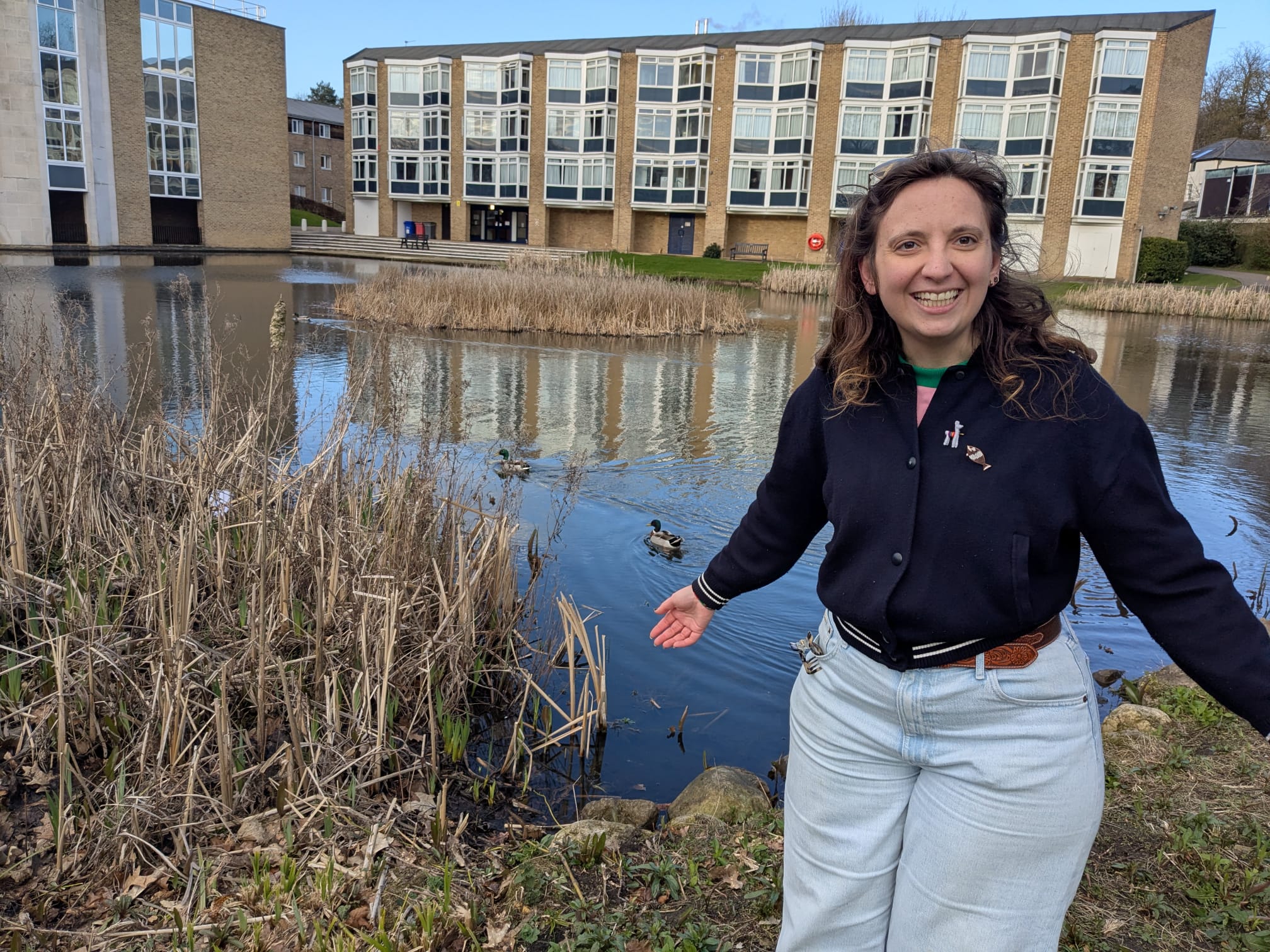
Macarena de la Parra
Hi! I’m Macarena de la Parra, an artist with an MSc in Climate, Risk and Society, and I joined CNI in July 2026. I’ve spent the past seven years working in social development, and it’s a privilege to bring that experience to such an inspiring project on Raasay.
My favourite part of the job is learning the island’s history and developing projects that support both its habitat and its community. Outside of work, you can find me exploring the island, looking for critters on the rocky shores or taking a nap on a rock by the sea. I’m also an archer, and I love finding new spots to shoot a few arrows.
Isle of Raasay



Raasay.com is managed by Raasay Development Trust (RDT) on behalf of the Raasay community.
Photos credits: Calum Gillies :: David Carslaw :: Hannah Moore :: Copywriting: Linsay MacLean